How to Evaluate Downtown Sarasota Condo Buildings
March 5, 2026
March 5, 2026
Staring at a dozen glossy condo brochures and still not sure which downtown Sarasota building fits you best? You are not alone. Between waterfront towers, walkable urban streets, and artsy mid‑rises, the choices can feel endless. In this guide you will translate your lifestyle into clear building questions, compare Sarasota’s core downtown areas, and use a practical checklist to make a confident decision. Let’s dive in.
Before you compare buildings, get specific about how you want to live day to day. A short self‑assessment keeps you focused when amenities and views start to blur.
Your answers point you to the right micro‑area and the building features that matter most.
Downtown Sarasota is compact, but each pocket offers a distinct feel and building mix. A local overview of the core highlights these differences well. For context on the walkable urban core, review this downtown summary of Sarasota’s neighborhoods and cultural spine on Sarasota Lifestyle.
Pro tip: When comparing addresses, look up actual walk times to Bayfront Park, Van Wezel, and Marie Selby Botanical Gardens. These day-to-day walkability metrics are powerful decision drivers.
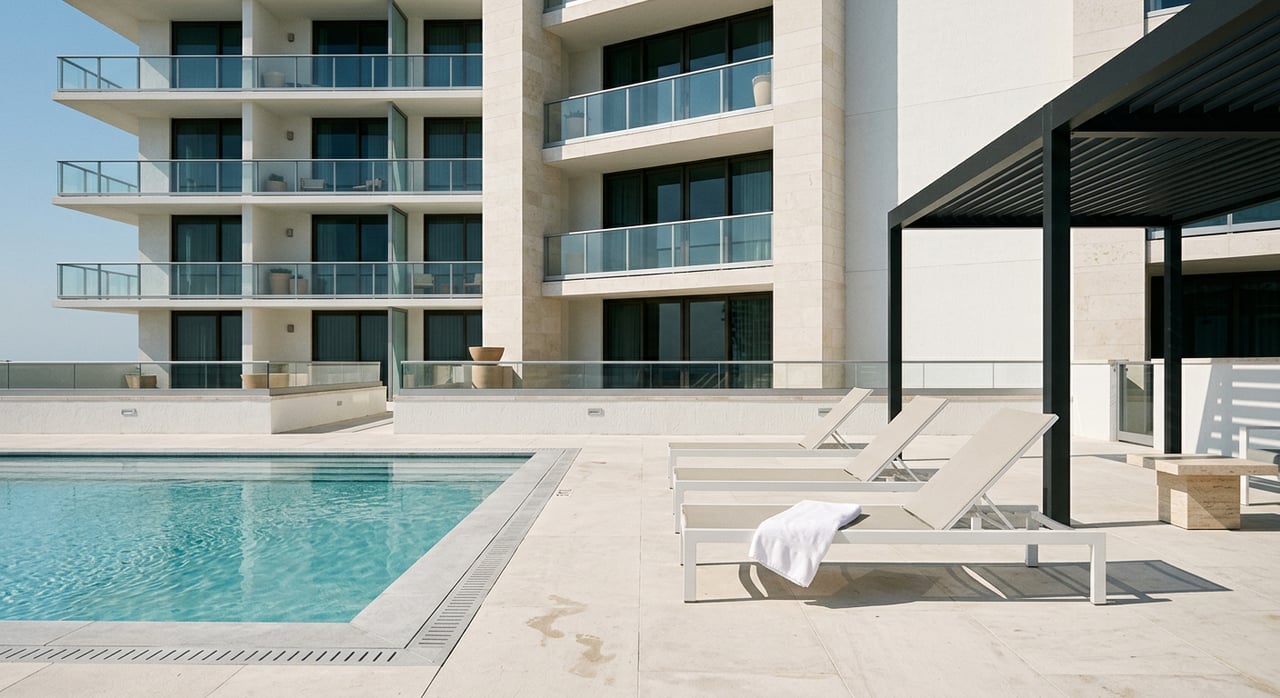
Amenity packages vary widely. Full‑service towers can include concierge, valet, resort pools, and hotel‑style services. Mid‑rises may offer a fitness room, pool, lounge, and secure entry with lower staffing. Be precise and note what is included in HOA dues versus what is fee‑based. If you want a turnkey, low‑maintenance lifestyle, prioritize on‑site management, guest suites, and reliable package handling.
A building’s age signals likely maintenance needs and regulatory exposure. Florida requires milestone structural inspections for buildings three stories or taller, plus a Structural Integrity Reserve Study that guides funding and disclosures. Associations created on or before July 1, 2022 face statutory deadlines and non‑waivable reserve funding requirements. Review whether the building has completed the required studies and what they found. You can read the statute details in Florida Statutes Chapter 718.112 and a plain‑English summary of recent condo laws from Florida Realtors.
Why it matters: Phase‑2 findings or underfunded reserves can lead to special assessments or higher dues. Local and national reporting has documented rising costs tied to post‑Surfside measures and insurance pressure; see this context from the Associated Press.
Downtown condo HOA fees vary widely based on unit size, staffing level, and included utilities. Examples in the market range roughly from the low hundreds per month in smaller buildings to several thousand per month in full‑service bayfront towers. Typical inclusions: common area maintenance, master insurance, reserves, security or concierge, pool and fitness, elevators, exterior maintenance, and sometimes utilities. Always verify the line items, reserve contributions, and any current or pending special assessments in the association’s budget and estoppel.
In the City of Sarasota, vacation rental registration rules do not apply to condominiums and cooperatives, so each condo association’s documents govern rental policy. Confirm minimum lease duration, caps on the percentage of units that may be leased, approval steps, and whether any short‑term rentals are allowed. Start with the city’s policy overview that notes condos are excluded, then check the building’s own rules. See City of Sarasota vacation rental guidance and a legal overview of condo lease restrictions from Mavrick Law.
Why it matters: Snowbirds who plan to lease seasonally need to know the exact minimum stay and whether the building is at its rental cap.
Lenders evaluate the building, not just the unit. Fannie Mae’s project review looks at reserve funding, budget health, delinquency, owner‑occupancy, and special assessments to decide if loans are deliverable on the secondary market. Strong building finances help future buyers secure financing and protect your resale value. Review what lenders check in the Fannie Mae Condo Project Full Review.
Sarasota’s FEMA Flood Insurance Rate Maps were updated on March 27, 2024. A change in flood zone or base flood elevation can affect required insurance for structures, parking, and ground floors. Check each parcel’s current designation using the city’s flood information and the FEMA map tools. Start here: City of Sarasota flood information and FEMA’s overview of the Map Service Center.
Ask the association for its master insurance policy and verify the hurricane deductible, which is often a percentage of building value. A large deductible can translate into assessments after a storm. Many buyers increase loss‑assessment coverage on their HO‑6 policies to protect against this risk. For a clear explanation of master policy versus HO‑6 coverage, review this guide from Florida Risk Partners.
Confirm whether parking is deeded or assigned, and whether there is climate‑controlled storage. Deeded parking and storage typically help resale. Also review bicycle storage, guest parking, EV charging, and pet rules. Verify the details in the governing documents and, for deeded items, in the legal description.
Use this list when you tour or as soon as you enter escrow. Many of these items are available in the resale or estoppel certificate and the association’s disclosure package.
Prioritize full‑service towers with concierge, valet, secure entry, and strong master insurance. Look for deeded parking and storage, on‑site management, and guest suites. Confirm that the building has completed required inspections and that reserves are on track.
Seek lock‑and‑leave convenience with reliable staffing and clear rental rules. Because condos set their own leasing policies, verify minimum stays and rental caps. Check whether the building is near its cap if you plan to rent seasonally.
Consider Main Street or nearby mid‑high rises for quick walks to dining and entertainment. Look for business‑friendly amenities like quiet workspaces, reliable connectivity, and a fitness center that fits your routine. Smaller footprints with well‑designed common areas often feel efficient and connected.
Choosing the right building is about fit and foresight. When you align your lifestyle with the right micro‑area, confirm building health through inspections and budgets, and understand insurance, rental rules, and parking, you set yourself up for a smooth purchase and strong long‑term ownership. If you want a curated shortlist and help working this checklist against specific buildings, connect with Team Dunn FL for local, concierge‑level guidance.
Stay up to date on the latest real estate trends.
Reach out to Team Dunn for expert real estate services. Buy, sell, or rent properties with confidence. Contact us today!