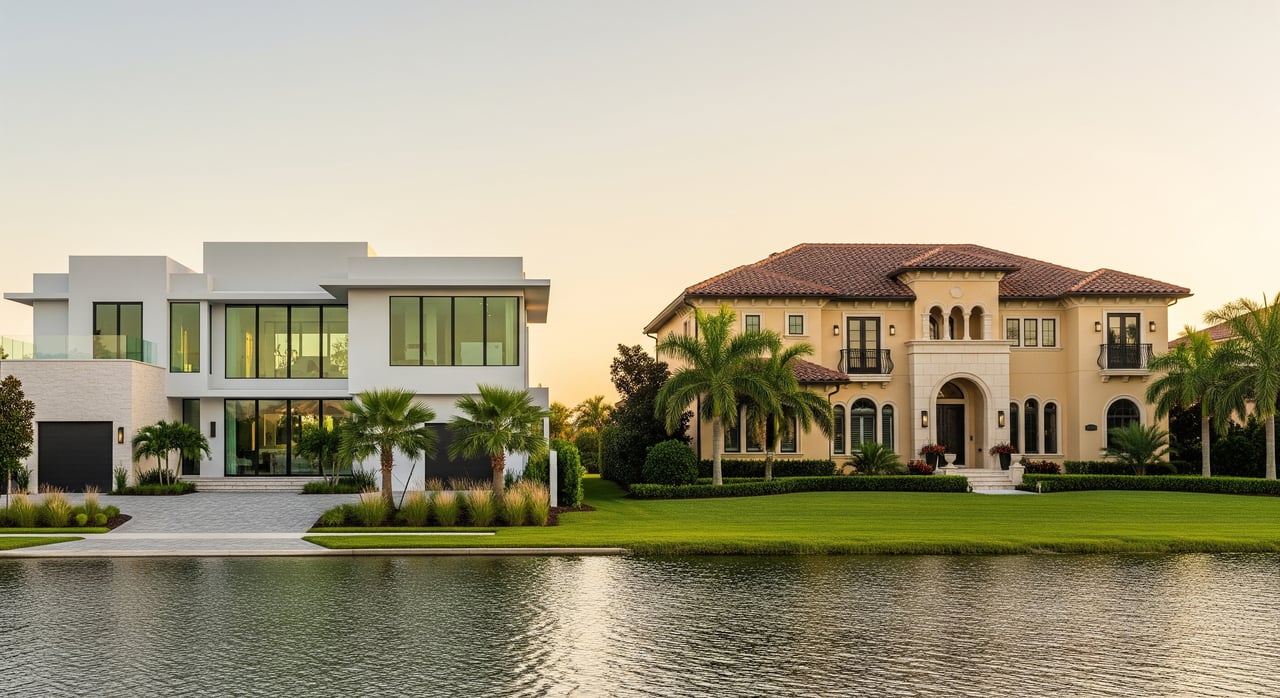
New Construction vs Resale Homes in Lakewood Ranch
December 18, 2025
December 18, 2025
Torn between a brand‑new home and a resale in Lakewood Ranch? You are not alone. Buyers often weigh speed and certainty against customization and long‑term value. In this guide, you will learn how timelines, costs, HOAs, amenities, warranties, and resale potential compare in the Manatee County portion of Lakewood Ranch so you can choose with confidence. Let’s dive in.
Lakewood Ranch is a master‑planned community with multiple villages, each with its own look, amenities, and HOA. You will find single‑family homes, attached options, luxury enclaves, and active‑adult neighborhoods. Parks, trails, golf, and centralized amenity centers are common, and many villages layer a neighborhood HOA on top of a master association.
Move‑up families and retirees are the primary buyers here. Families often focus on space, yard size, and access to daily conveniences. Retirees typically prioritize single‑level living, low‑maintenance options, wellness amenities, and proximity to healthcare.
A typical resale purchase follows a familiar path: search, offer, inspections and appraisal, underwriting, and closing. If financing is straightforward, you can usually close in about 30 to 60 days. You will negotiate repairs or credits based on inspections. Title, association approvals, and appraisal can affect speed.
New construction comes in three flavors: move‑in‑ready inventory, quick‑move‑in homes near completion, and contract‑to‑build from plans. Production builders often deliver in about 6 to 9 months from contract, while custom builds can take 9 to 18 months or more. Selections, permit cycles, and supply chain or labor shifts can extend timelines. Closing generally occurs when the certificate of occupancy is issued, with deposits and selections set along the way.
If you need fast occupancy, resale usually wins. If you want control over layout, finishes, and accessibility, new construction offers more choice but requires patience. If timing is uncertain, consider a quick‑move‑in or temporary housing plan so you are not rushed.
New homes are marketed with a base price, then structural changes, finishes, and lot premiums are added. Spec or inventory homes may include popular options and can be priced close to comparable resales. With resale homes, factor in immediate repairs, updates, or system replacements when comparing total cost.
Builders may offer incentives such as closing cost credits or upgrade packages. Some lots can carry special assessments or impact‑related costs tied to infrastructure or amenities. Resales can have lower builder‑related fees but may include HOA transfer fees or negotiated repair credits. Compare true net costs on both paths.
Standard mortgages apply to both resale and most production new builds. Builders often promote preferred lenders that offer rate buydowns, closing credits, or rate‑lock programs. Custom homes can require construction‑to‑permanent loans with staged draws. It is smart to compare builder‑affiliated offers with independent lenders to confirm the best net terms.
New construction typically includes a builder warranty with three layers: short‑term coverage for workmanship and finishes (often around one year), mid‑term coverage for major systems like HVAC, plumbing, and electrical, and longer structural coverage that is often around ten years and administered by a third party. Resale homes do not usually carry builder warranties unless a transferrable one is still in effect. You can purchase a home‑warranty plan, but that differs from a structural warranty. Review exact warranty terms and service procedures before you sign.
New homes are built to current Florida Building Code standards, which can improve wind performance and energy efficiency compared to older stock. This can help with insurance and utility costs, though premiums vary by carrier and property specifics. Flood insurance is determined by FEMA flood zone and elevation, not the age of the home. For resales, ask about prior insurance claims and age of roof, windows, and systems. For new homes, request code compliance and energy specifications.
Lakewood Ranch often has a layered HOA structure. Fees vary by village and product type based on the level of amenities. They can cover landscape maintenance, common areas, gated entry, amenity centers, and sometimes bundled services such as cable or internet. Active‑adult or amenity‑rich neighborhoods may carry higher dues to support programming and facilities. Review budgets, reserves, and any pending special assessments.
In new phases, amenities may still be under construction. Early buyers might enjoy lower entry pricing or first pick of lots, while late‑stage buyers appreciate completed pools, trails, and clubhouses. With resales in established sections, you typically gain immediate access to mature landscaping and finished community centers.
New builds often allow you to choose from available lots, including lake, preserve, or cul‑de‑sac positions, with premiums for top views and orientations. Resale homes can offer larger or more private lots that are no longer produced, or micro‑locations that are closer to everyday conveniences. Consider proximity to main roads, healthcare, retail, and recreation based on your routine.
New construction lets you tailor floorplans, finish packages, appliance levels, and outdoor living. This is helpful if you want a specific kitchen layout, a flex room, or a bath design that suits mobility needs. With resales, you inherit the existing layout and finishes, then weigh renovation costs and downtime against the convenience of moving right in.
Newer homes often include modern HVAC systems, LED lighting, improved insulation, and smart‑home wiring. These features can reduce maintenance in the near term. Resales vary widely. Even well‑maintained older homes can be approaching replacement cycles for roofs, water heaters, or air conditioning.
If you are planning for long‑term comfort, look for single‑level living, wider doorways, zero‑entry showers, and minimal steps. Many builders offer universal‑design options during the selection process. With resales, you can achieve similar outcomes, though you may need to plan for modifications.
Resale performance depends on location within the community, lot quality and view, builder reputation, build quality, and maintenance history. Amenity access and community character also matter. Energy efficiency and code‑compliant construction can appeal to buyers who prioritize lower insurance and utility costs.
New homes can command a premium if they deliver in‑demand finishes and strong energy or insurance advantages. There can be short‑term softening if a buyer overpays for upgrades or if market conditions shift. Well‑maintained resale homes on prime lots often compete well, especially if they offer privacy, views, or features not available in newer phases. Your time horizon matters. A shorter hold may favor move‑in‑ready value, while a longer hold gives you time to realize the benefits of customization and lower maintenance.
Use this quick list to stay organized in the Manatee County portion of Lakewood Ranch:
If you want speed and predictability, a well‑maintained resale in an established section is hard to beat. If you value customization and modern building standards, a new home or quick‑move‑in could be the right fit. In Lakewood Ranch, both choices can be smart when matched to your timeline, budget, and lifestyle. A local advisor who understands village differences, HOA structures, and current builder activity can help you compare real options side by side.
Ready to explore both paths with a calm, concierge process tailored to you? Connect with Team Dunn FL for neighborhood guidance, on‑the‑ground comparisons, and a clear plan from first tour to closing.
Stay up to date on the latest real estate trends.
Reach out to Team Dunn for expert real estate services. Buy, sell, or rent properties with confidence. Contact us today!